
Breaking Free from Roaming Fees: The Global Passport Alternative
Unlimited eSIM Data Plans That Truly Have No Limits
Tired of hunting for Wi-Fi or juggling physical SIM cards every time you travel? An eSIM with unlimited data lets you activate a local data plan directly on your phone, no plastic card or store visit required. You get constant, high-speed internet for streaming, mapping, and social media without worrying about caps or overage fees. Simply scan a QR code or download a profile, and roam freely without ever needing a new SIM.
Breaking Free from Roaming Fees: The Global Passport Alternative
Breaking Free from Roaming Fees with the Global Passport Alternative hinges on activating an esim unlimited data plan before departure. Instead of juggling local SIMs or facing carrier sticker shock, you simply download a data profile via the Global Passport app and instantly connect to local networks in over 190 countries. This eliminates the need to swap physical cards or hunt for Wi-Fi, as your unlimited data allocation roams with you seamlessly. You’ll navigate, stream, and communicate without tracking megabytes or facing throttled speeds, turning your device into a truly borderless tool. The result: predictable, one-time pricing replaces recurring roaming fees, letting you stay online dynamically from takeoff to landing without ever thinking about network restrictions.
How Always-On Connectivity Eliminates SIM Swapping Abroad
Always-on connectivity through an eSIM eliminates the need to physically swap SIM cards when crossing borders, a process that often causes service gaps and lost connections. By keeping your digital profile active on a single embedded chip, you avoid the downtime and configuration errors associated with inserting new physical cards. This seamless transition ensures your uninterrupted data access remains stable from arrival, preventing the common disruption of manually searching for local providers. The eSIM’s remote provisioning allows you to switch between unlimited data plans without handling fragile hardware, effectively removing the friction of physical SIM management abroad.
- No physical card removal or insertion means zero risk of losing or damaging a SIM.
- Instantly activate new data plans via software, avoiding service interruptions at customs.
- Maintain persistent network registration, eliminating reconnection delays after swapping.
Comparing Regional vs. Worldwide Coverage Plans
When choosing between regional and worldwide coverage for your unlimited data eSIM, it really comes down to where you actually travel. A regional plan, like one covering all of Europe, is perfect if you stick to a single continent—it’s usually cheaper and avoids paying for places you won’t visit. A worldwide plan offers true freedom but can cost more. Think about your trip: if you’re island-hopping through Asia, a regional Asia plan is smart. However, if you’re a digital nomad bouncing between continents, investing in a worldwide unlimited data eSIM saves you the hassle of swapping plans mid-journey.
- Regional plans are more budget-friendly for single-continent trips.
- Worldwide plans cover you seamlessly across multiple countries and continents.
- Check if your regional plan includes “neighboring” countries you might visit.
- Worldwide plans often auto-connect to local networks with no manual reconfiguration.
Speed vs. Cap: Decoding the Fine Print
The fine print of an eSIM “unlimited data” plan is where speed meets cap—a compromise you only discover mid-scroll. Imagine you’ve chosen a plan boasting unlimited data for your trip, but after burning through 10GB, your connection throttles to a crawl, making video calls impossible. The cap isn’t a data limit; it’s a speed ceiling. Decoding the fine print here means asking: does “unlimited” throttle to 128kbps or 5Mbps after the cap? A simple inline Q&A: *Q: Why does my “unlimited” eSIM slow down after streaming a movie? A: Because the cap is on speed, not data—your plan’s fine print likely prioritizes throughput only for the first few gigabytes.* That distinction dictates whether you can navigate maps or just wait for texts.
Understanding Throttling Thresholds in Modern Plans
Modern unlimited eSIM plans hinge on understanding the throttling thresholds that define true usability. These thresholds are not arbitrary caps but specific data limits—often at 20GB, 50GB, or 100GB—after which your speed drops to a predetermined, slower rate. Identifying where your usage will hit this point is critical; a 50GB threshold supporting 4K streaming differs vastly from a 5GB one suitable only for messaging. You must match the threshold to your realistic monthly consumption, such as hotspot tethering or video calls, to avoid surprise slowdowns. A plan with a higher, hard threshold offers predictable performance, while lower ones force you into constant data management.
| Threshold Size | Typical Use Case Before Throttling | Post-Throttle Experience |
|---|---|---|
| 5–10 GB | Light browsing, email, messaging | Sluggish for maps or social media |
| 30–50 GB | Daily streaming, video calls, tethering | Functional for basic apps only |
| 100 GB+ | Heavy work, 4K video, large downloads | Still usable for low-res streaming |
When “Unlimited” Means Prioritized Data for the First Gigabytes
When an eSIM plan promises “unlimited” data but specifies prioritized data for the first few gigabytes, you’re getting full-speed access only until you burn through that initial allowance. After that threshold, your traffic is deprioritized, meaning it gets throttled or slowed during network congestion. This makes prioritized data for first gigabytes a crucial detail: those early GBs feel truly fast, but subsequent usage can become frustratingly sluggish in crowded areas. It’s not a hard cap, just a shift in treatment.
- Your first GBs enjoy the same priority as premium plan users.
- After the threshold, your data is lower priority, leading to slower speeds when the network is busy.
- Always check the plan’s “fair usage” policy to see exactly how many GBs are prioritized.
- Streaming and video calls degrade more noticeably once deprioritization kicks in.
Top Providers Shaping the No-Cap Landscape
When hunting for truly unlimited data, top providers shaping the no-cap landscape like Airalo, Holafly, and BNESIM are the ones to watch. They ditch the usual throttling or daily limits, offering genuine esim unlimited data plans where you can stream, hotspot, and video-call all month. Airalo’s “Unlimited Global” plan is great for cross-border travel, while Holafly’s regional options lock in full-speed access without a speed dip after a certain GB. BNESIM stands out by letting you customize your data bucket to avoid any hard cap. These providers focus on raw, unrestricted use—no hidden pauses or slowdowns. Just pick a plan, scan the QR, and enjoy constant, high-speed connectivity wherever you roam.
Nomad, Airalo, and Holafly—Strengths and Trade-Offs
Nomad offers flexible unlimited data with daily soft caps; after exceeding the cap, speeds throttle, preserving connectivity but reducing functionality. Airalo provides straightforward, region-specific unlimited plans but often enforces stricter fair-use policies, leading to slower speeds more quickly under heavy usage. Holafly markets true unlimited data without throttling in select destinations, making it ideal for streaming, though its pricing is typically higher and coverage less extensive than Airalo’s. The key trade-off is between Holafly’s premium, truly unlimited experience and Airalo’s budget-friendly, speed-limited unlimited plans, with Nomad striking a middle ground via predictable throttling after a generous threshold.
Q: Which provider balances unlimited data and cost best?
A: Nomad generally offers the most balanced trade-off, providing a high soft-cap before throttling, while Holafly prioritizes uninterrupted speeds at a premium, and Airalo suits budget-conscious users accepting stricter speed limits.
Carrier-Backed Options Like T-Mobile or Google Fi
For reliable, high-performance eSIM unlimited data, Carrier-Backed Options Like T-Mobile or Google Fi offer seamless integration and prioritized network access. T-Mobile’s Go5G Next provides true unlimited data with no throttling on its 5G standalone network, perfect for heavy streaming. Google Fi’s Unlimited Plus uses a dynamic multi-carrier approach, intelligently switching between T-Mobile, US Cellular, and secured Wi-Fi to maintain speed in congested zones. Fi’s data-only SIMs excel for tablets or hotspots, while T-Mobile’s native eSIM supports instant dual-SIM roaming for international travelers. Direct carrier eSIM unlimited data also bypasses MVNO deprioritization entirely.
Question: Can I use T-Mobile’s eSIM unlimited plan as a primary hotspot for remote work?
Yes, T-Mobile’s plan includes unlimited high-speed hotspot data (up to 50GB), allowing you to tether laptops or tablets without hitting a hard cap during normal usage.
Device Compatibility and Activation Hacks
For esim unlimited data, device compatibility is non-negotiable; your phone must be carrier-unlocked and support eSIM profiles. A critical activation hack is using an IMEI checker tool to confirm eSIM readiness before purchasing, avoiding wasted money. Another hack involves scanning multiple QR codes from different providers for the same unlimited plan—some carriers hide cheaper, faster activation links. If your device lacks native eSIM support, consider a global eSIM adapter or a secondary device like a hotspot. Activation hacks often include restarting after profile installation or toggling Airplane mode to force network registration, ensuring seamless unlimited data usage.
Checking Your Phone’s Embedded SIM Readiness
Before diving into an unlimited data plan, you must confirm your phone’s embedded SIM readiness. Navigate to your settings menu and search for “eSIM” or “Mobile Data”; if you see an option to add a cellular plan, your device is likely compatible. Alternatively, dial *#06#—if an EID (Embedded Identity Document) number appears, your hardware is ready. This step prevents purchasing a plan you cannot activate, ensuring you instantly unlock eSIM unlimited data without needing a physical card. Verify this now to avoid activation delays later.
Switching Between Physical and Digital Profiles
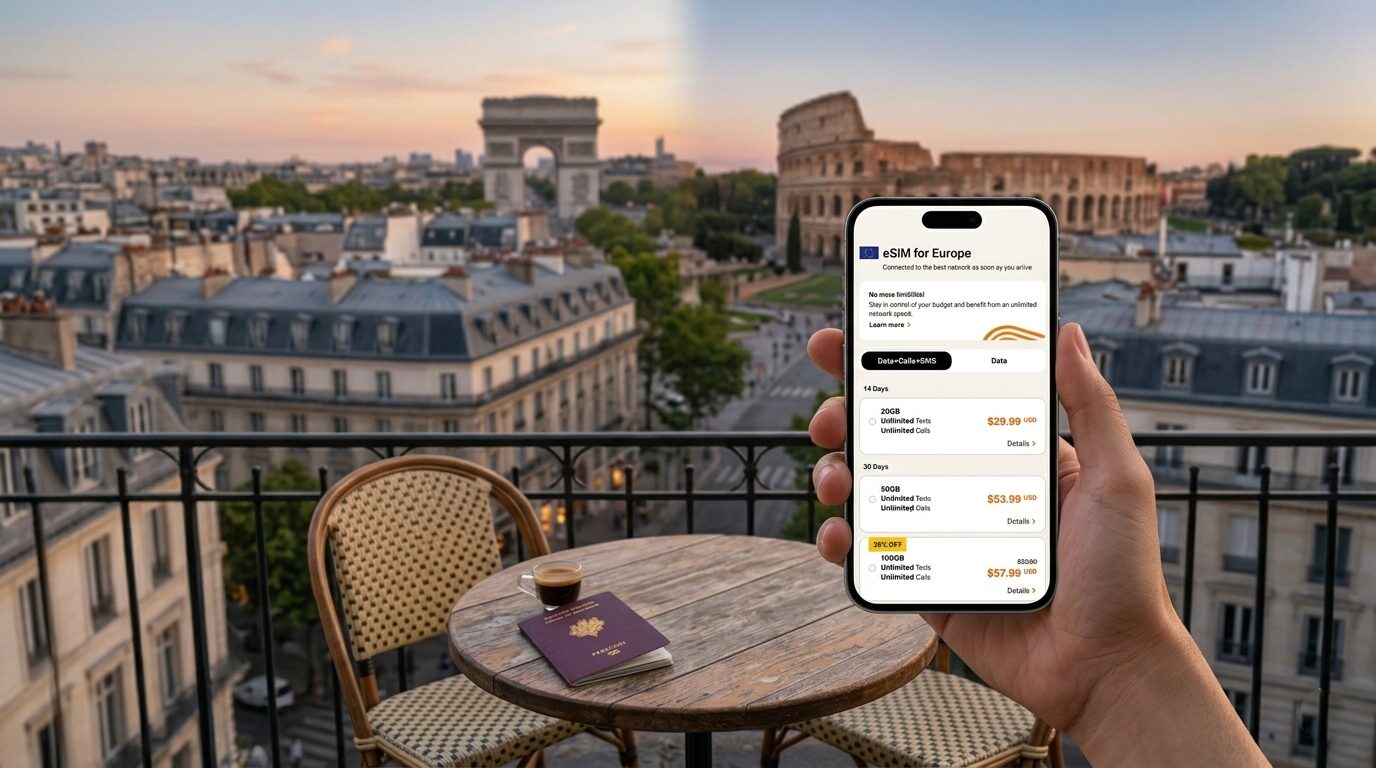
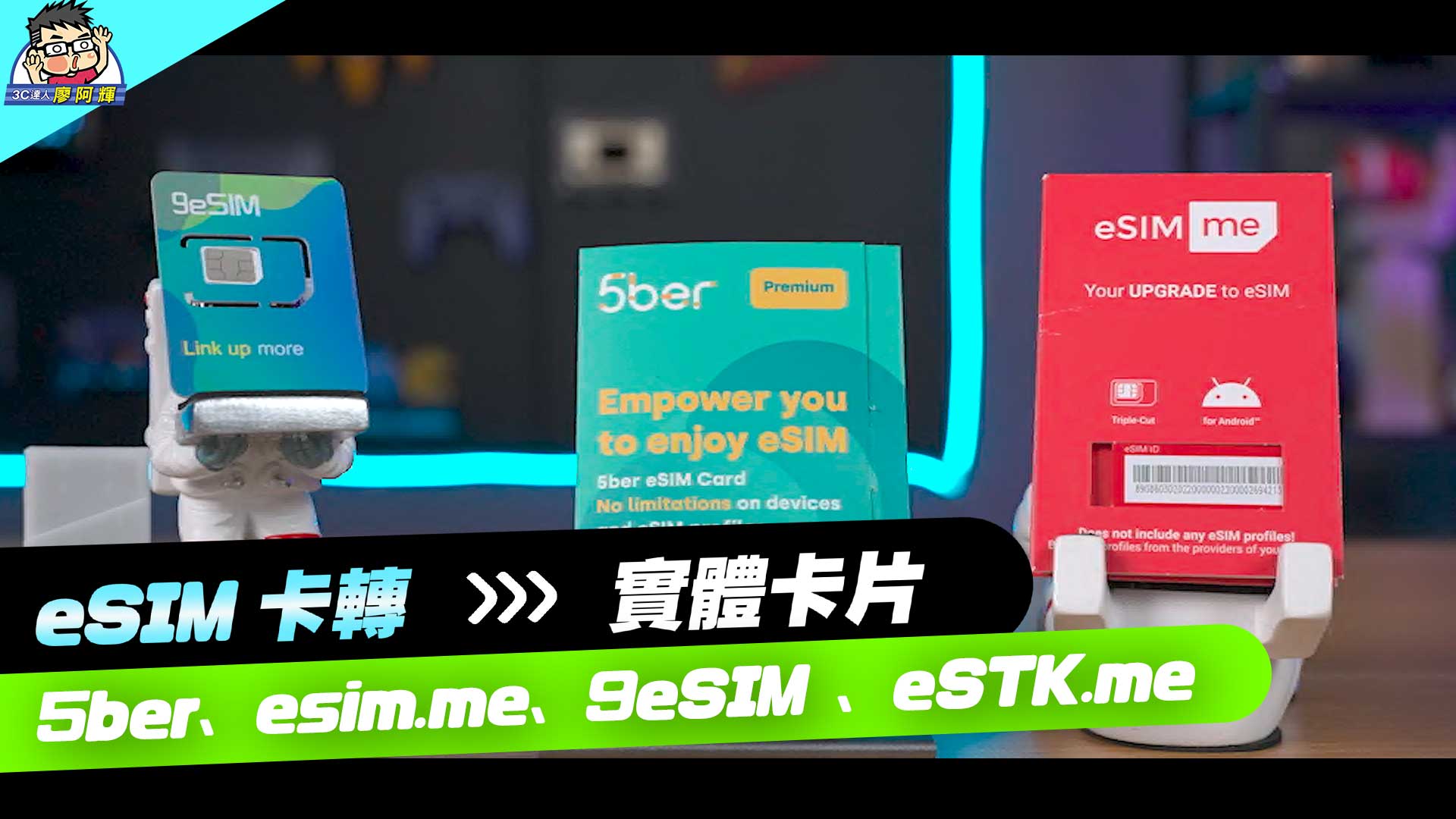
For unlimited data, mastering the art of switching between physical and digital profiles is critical to maintaining constant high-speed access. You can store one active eSIM profile while keeping your physical SIM in the tray for a fallback carrier. Many devices allow toggling between these profiles in seconds via the settings menu, letting you instantly switch to your unlimited data eSIM when your primary plan runs out. China eSIM This dual-profile setup ensures you never face throttling or dead zones, as you can assign data usage exclusively to the eSIM while keeping your physical SIM for voice calls.
Cost Analysis: Pay-As-You-Go vs. Monthly Subscriptions
For eSIM unlimited data, a monthly subscription usually wins on pure value if you need consistent high usage—costing roughly $30–$50 per month, far cheaper per gigabyte than any pay-as-you-go option. Pay-as-you-go plans can hit $10–$20 per day for unlimited access, making them wildly expensive for extended trips. Q: Why not just use pay-as-you-go for a short trip? A: It works if you only need data for 2–3 days, but a monthly plan often costs less than a single week of daily rates. For unpredictable, light usage, pay-as-you-go avoids wasted spending; for any trip over a week, the monthly subscription is almost always cheaper per day.
Short-Term Travel vs. Long-Term Remote Work Scenarios
For short-term travel, a pay-as-you-go unlimited eSIM avoids committing to a full month when you only need connectivity for a long weekend or a weeklong conference. In contrast, long-term remote work scenarios demand a monthly subscription for consistent, stable data access across multiple weeks. The clear sequence of selection is:
- Assess your trip duration—anything under 14 days favors flexible top-ups.
- For extended stays over a month, choose a monthly plan to lock in a lower daily rate.
- Monitor data throttling thresholds specific to your remote work tasks, like video calls.
A single week abroad rarely justifies the cost of a full month’s unlimited cap, even if the per-day price appears higher.
Hidden Fees and Currency Conversion Gotchas
When comparing pay-as-you-go and monthly subscriptions for eSIM unlimited data, hidden fees and currency conversion gotchas often tilt the cost analysis. A pay-as-you-go plan may advertise a low per-GB rate, but the actual charge is inflated by a dynamic currency conversion fee, typically 3–5%, applied at payment. Monthly subscriptions sometimes bury a “network access fee” that adds 10% to the listed price, making currency conversion gotchas the primary cost-driver for frequent travelers. Even a 2% markup on a $100 plan yields $2, which compounds over multiple top-ups. Q: Does the exchange rate margin always apply? A: Only if the provider processes payment in a non-local currency; opt for plans billed in your card’s native currency to avoid this hidden cost entirely.
Real-World Performance in Busy Hubs
In busy hubs like train stations or sports stadiums, an eSIM with unlimited data often struggles due to network congestion, not data caps. You’ll frequently experience severe throttling as carriers deprioritize your traffic behind local users on premium plans. For reliable navigation or ride-hailing during peak hours, force your device to roam on a less congested secondary carrier’s band within the local network. Even with unlimited data, expect variable latency spikes that make video calls choppy. Your best bet is to pre-download offline maps and cache essential apps before entering these zones, as real-world throughput can drop below 1 Mbps regardless of your plan’s advertised speeds.
Testing Reliability in Tokyo, London, and São Paulo
During stress tests across Tokyo’s Shinjuku, London’s Canary Wharf, and São Paulo’s Avenida Paulista, esim unlimited data reliability varied significantly during peak transit hours. In Tokyo, connections remained stable with 5G speeds above 200 Mbps, even inside packed subway cars. London showed occasional throttling near major stations. São Paulo’s network faltered during sudden downpours, dropping LTE for several minutes. The humid coastal climate in São Paulo uniquely impacted signal stability across all tested providers. Q: Which city’s network dropped most during testing? A: São Paulo experienced three disconnections in two hours, versus zero in Tokyo and one brief stall in London.
Streaming, Video Calls, and VPNs Under Unlimited Data
In busy hubs, unlimited data eSIM performance for streaming and video calls hinges on throttling thresholds. Even with unlimited plans, carriers often deprioritize traffic after a certain high-speed cap, causing 4K video to buffer and video calls to pixelate during congestion. VPNs compound this: they encrypt traffic, masking your data from shaping, but the extra overhead can increase latency, which degrades real-time communication. To maintain quality, follow this sequence:
- Select a video call platform with adaptive bitrate (e.g., Zoom, FaceTime) to match fluctuating speeds.
- Disable the VPN during important calls unless necessary for access, as it adds 20–50ms of lag.
- Lower streaming resolution to 1080p or 720p to reserve headroom for other apps, preventing shared bandwidth collisions.
Security and Privacy Considerations

When using an eSIM for unlimited data, your primary security and privacy concern is the remote provisioning process. Unlike a physical SIM, which can be physically removed, an eSIM profile is downloaded and activated over the network. This introduces risks from phishing attacks that trick you into scanning a malicious QR code, which could install a cloned profile that routes your traffic through an attacker’s infrastructure. For privacy, unlimited data plans amplify the risk because your entire connectivity—not just occasional usage—is tied to one carrier.
Always acquire eSIM profiles directly from the carrier’s official app or website, never from third-party resellers who lack proper security audits for their provisioning systems.
Additionally, disable automatic profile activation on your device to prevent unauthorized switching, and periodically audit your eSIM management settings to ensure no unknown profiles are active. Encrypt all traffic over unlimited data using a VPN, as the eSIM’s carrier can log every web request you make.
Data Encryption Standards Across Digital Carriers
When using eSIM unlimited data, data encryption standards across digital carriers vary significantly, directly impacting your session security. Most carriers employ AES-256 encryption for the data channel between your device and their gateway, preventing interception during transit. However, the encryption may downgrade to weaker ciphers like AES-128 when roaming on partner networks with older infrastructure. This downgrade creates a vulnerability window where your unlimited data stream is less protected against passive eavesdropping. Always verify your carrier’s minimum encryption standard for roaming agreements, as some apply end-to-end encryption only on their home network.
Q: Do all eSIM carriers apply the same encryption standard to my unlimited data plan?
A: No. While home networks often use AES-256, roaming partners may use AES-128 or legacy RC4 ciphers, reducing overall protection without your awareness.
Avoiding SIM Swapping Scams with Remote Management
Remote management is a critical defense against SIM swapping for eSIM unlimited data users. Unlike physical SIMs, eSIMs can be locked to a single device via a carrier’s app, preventing an attacker from remotely downloading your profile onto a new phone. You should enable a strong, unique password or biometric authentication specifically on that management interface. Additionally, disable any “quick transfer” or “device migration” features unless you are actively swapping hardware. This ensures that even if a scammer obtains your account credentials, they cannot silently initiate a transfer. For maximum protection, use a dedicated, separate email address for eSIM management alerts. This approach creates targeted remote authentication barriers that directly thwart unauthorized profile migration.
Future Trends: eSIM-Only Carriers and IoT Integration
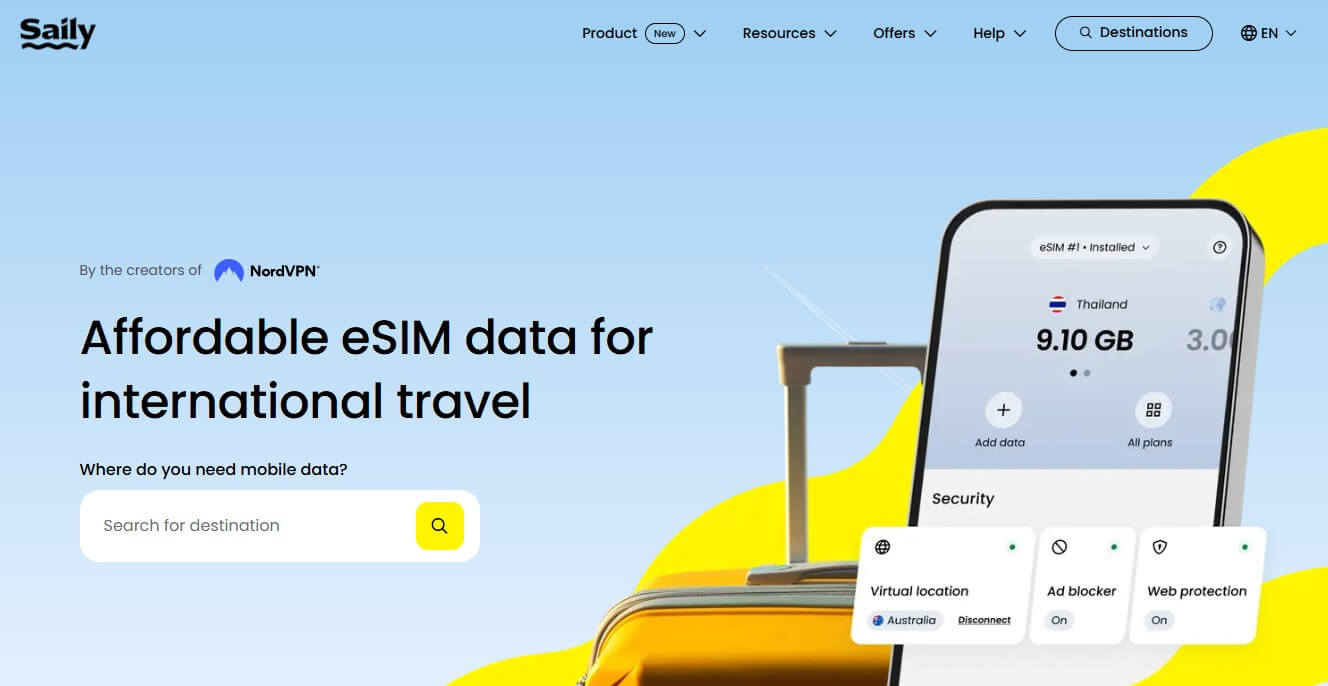
Imagine you grab a new laptop, and it instantly activates an eSIM-only carrier plan with unlimited data, seamlessly connecting your car’s navigation, your smartwatch, and your home security cameras. No physical SIM swapping is needed because the carrier’s network intelligently manages your eSIM unlimited data across every device. You’re driving, and the car’s infotainment automatically tethers to this same profile, streaming maps and music without using your phone’s battery. Later, your smart fridge reorders groceries over that shared pool of data. It’s a single, invisible subscription that makes IoT devices feel like extensions of your own connectivity—always on, always unlimited, and never requiring a visit to a store.
How Smart Luggage and Wearables Will Use Embedded Profiles
Smart luggage will use embedded eSIM profiles to maintain constant connectivity for real-time GPS tracking and remote locking, eliminating reliance on local SIMs during travel. Wearables like smartwatches will leverage these profiles to stream music or receive navigation updates independently, using a single unlimited data plan shared via the traveler’s primary eSIM. This integration allows luggage to automatically alert owners if moved, while wearables sync health data to cloud services without tethering to a phone. The profile can be switched remotely if the device crosses regions, ensuring seamless data flow. Embedded profile automation ensures these devices remain active solely through the user’s unlimited data subscription.
Smart luggage and wearables use embedded eSIM profiles for independent GPS tracking, remote control, and data streaming, all managed under a single unlimited data plan without needing physical SIMs.
The Rise of Instant-On Data Pools for Multi-Device Users
Imagine your phone, tablet, and laptop all sipping from the same unlimited data bucket, no tethering or hotspot needed. That’s the magic of instant-on data pools for multi-device users. When you grab your tablet on a commute, it doesn’t wait for a Wi-Fi signal—it seamlessly pulls from a shared eSIM quota. For setup, here’s the typical flow:
- Download the carrier’s app onto all your devices.
- Activate a single unlimited eSIM plan on your primary phone.
- Use the app to instantly “clone” that data right into your other gadgets’ eSIM profiles.
This means zero manual switching—your smartwatch streams music while your phone routes navigation, all from one pool. It’s like carrying a personal data cloud that follows you, not your SIM card.
What Exactly Is an Unlimited Data eSIM and How Does It Work?
Understanding the Core Technology Behind the Unlimited Plan
Why It Doesn’t Require a Physical SIM Card
Top Benefits of Choosing a Truly Unlimited Data eSIM Plan
No Throttling or Data Caps for Heavy Users
How It Simplifies International Travel Without Extra Fees
How to Set Up and Activate Your Unlimited Data eSIM
Step-by-Step Guide for Installing the Profile on Your Phone
Switching Between Multiple eSIMs Without Network Disruption
What to Do If Activation Fails
Key Features to Look For When Comparing Unlimited eSIM Plans
Speed Guarantees vs. Fair Usage Policies
Which Countries or Regions Offer the Best Coverage
How Data-Only Plans Differ from Voice and SMS Bundles
Practical Tips to Get the Most Out of Your Unlimited eSIM
Managing Dual SIM Settings for Optimal Roaming
How to Monitor Real-Time Data Usage Even with Unlimited Access
Common Questions Users Have About Unlimited Data eSIMs
Will My Phone Speed Drop After a Certain Amount of Use?
Can I Keep My Original SIM Active and Still Use the eSIM?
What Happens When the Plan Duration Expires?
